E-Waste Pickup Made Easy: A Guide to Our Recycling Services
Electronic waste has emerged as a major ecological issue as the tech industry keeps advancing. Numerous individuals struggle to dispose of their unwanted electronics responsibly. Gaining knowledge about e-waste collection can make this responsibility easier. Being aware of what certified recycling services offer is absolutely necessary. As the demand for efficient disposal grows, the impact on both people and the planet deserve greater attention.
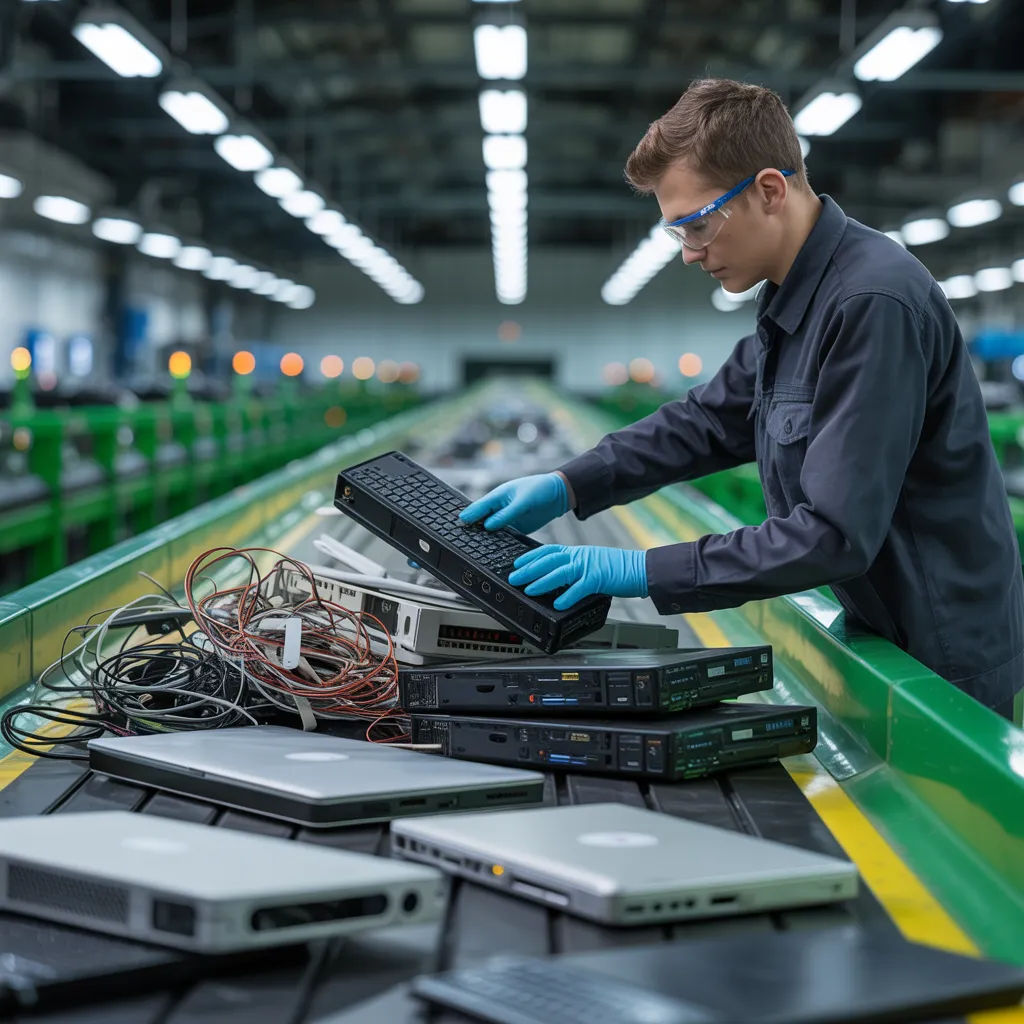
What Exactly Is E-Waste and Why Is It Important?
E-waste, short for electronic waste, encompasses unwanted electronic equipment such as televisions, computers, and smartphones. This increasing type of waste creates substantial environmental hazards. As technology advances rapidly, many consumers find themselves upgrading devices more frequently, leading to an increase in electronic waste. Careless disposal practices may cause dangerous chemicals, including lead, mercury, and cadmium, to leach into the environment, tainting soil and water resources.
Moreover, e-waste contributes to resource depletion, as important resources like gold, silver, and copper are regularly squandered when devices are thrown away rather than recycled. Spreading knowledge of e-waste is essential, as both individuals and organizations can play a role in reducing its impact. By recognizing the consequences of e-waste, communities can participate in more responsible disposal practices and back recycling programs. Ultimately, caring about e-waste not only safeguards the environment but also advances a resource-efficient economy.
Accepted Items for E-Waste Recycling
A broad spectrum of electronic equipment are eligible for recycling, serving to minimize the environmental impact of e-waste. Typical items consist of old computers, laptops, tablets, and smartphones, which often contain hazardous materials. Furthermore, peripherals such as printers, keyboards, and mice are equally eligible. Televisions, monitors, and other display devices are included in the accepted categories, ensuring safe disposal of toxic components.
Domestic appliances, such as microwaves and refrigerators, may also qualify, as long as they are no longer working. Batteries, particularly rechargeable types, are important to include in recycling programs due to their chemical content. Audio equipment, gaming consoles, and networking devices are other examples of eligible materials.
How to Set Up Your E-Waste Pickup
Wondering how to arrange an e-waste pickup? Arranging an e-waste pickup is a simple procedure built around ease of use. Interested individuals can begin by visiting the recycling service's website, where they will find a designated portion for booking pickups. Usually, a user-friendly online form is available that asks for essential details such as name, address, and the types of e-waste to be collected.
After submitting the form, individuals will receive an email confirmation outlining the confirmed date and time. Numerous services additionally provide a phone option for individuals who favor speaking directly. It is recommended to review any particular prerequisites, including item packaging or preparation guidelines, before the pickup. Additionally, a number of recycling companies may supply additional resources or tips for streamlined e-waste collection, guaranteeing a seamless and successful pickup experience. This makes it easy for anyone to participate in sustainable electronic waste practices.
Why You Should Care About E-Waste Disposal
Electronic waste disposal is essential for protecting the environment and public well-being. Improper handling of electronic waste can lead to hazardous materials contaminating soil and water, posing serious health risks. Understanding the significance of proper e-waste management is crucial for building a sustainable future.
Environmental Impact Awareness
What makes proper electronic waste disposal a concern for individuals? The environmental consequences of e-waste are considerable, as electronics that are carelessly thrown away lead to pollution and the depletion of natural resources. Many electronic devices contain toxic substances, such as lead and mercury, which may seep into soil and water supplies, causing damage to ecosystems and wildlife. Furthermore, discarded e-waste means missing out on the chance to recover precious materials such as gold, copper, and rare earth elements. Through greater awareness of responsible e-waste disposal, individuals are able to lower their carbon footprint and encourage sustainable habits. Supporting recycling initiatives not only minimizes environmental harm but also fosters a circular economy, where materials are reused and repurposed, ultimately benefiting future generations and the planet.
Health Hazard Mitigation
Failing to properly dispose of electronic waste creates serious health dangers for communities and individuals. Harmful chemicals present in e-waste, including lead, mercury, and cadmium, can seep into soil and groundwater, polluting local water supplies and food sources. Being exposed to these harmful materials can cause significant health problems, including neurological impairment, respiratory difficulties, and heightened cancer risks. Furthermore, unregulated recycling methods frequently worsen these risks, as workers often lack adequate protective equipment when taking apart devices. By prioritizing responsible e-waste disposal through certified recycling services, individuals can mitigate these health risks, ensuring safer environments for themselves and their communities. Understanding these risks highlights the essential need for responsible e-waste handling.
How We Maintain Safe and Green E-Waste Recycling Practices
In an era growing ever more dependent on technology, the safe and eco-friendly recycling of electronic waste is crucial for environmental sustainability. To achieve this, companies employ strict procedures that adhere to environmental regulations and best practices. They begin by conducting thorough evaluations of electronic waste, categorizing items based on material types and potential hazards. This confirms that toxic compounds, such as lead and mercury, are handled appropriately.
Additionally, innovative recycling approaches are implemented to recover precious materials, limiting the amount of waste directed to landfills. Dedicated facilities outfitted with cutting-edge technology methodically dismantle equipment, sorting components for refurbishment or recycling. In addition, these firms emphasize building relationships with certified recyclers who are aligned with sustainable and eco-friendly values.
Staff education also reinforces protective measures, guaranteeing that all personnel are educated on dealing with potentially dangerous substances. Through these extensive strategies, organizations play an important role in supporting a regenerative economic model while protecting the well-being of people and the natural world.
Why Choose Our E-Waste Pickup Services
Employing expert electronic waste collection services optimizes the procedure for discarding unwanted electronics while promoting environmental responsibility. These solutions reduce the challenge of transporting items, empowering individuals to easily arrange collections at their leisure. This not only saves time but also lowers the risk of improper disposal, making certain that dangerous materials are processed appropriately.
Moreover, these solutions often furnish certified proof confirming the waste processing method, which is helpful for businesses aiming to meet regulatory requirements. Leveraging specialized solutions also strengthens community awareness about digital waste challenges, motivating more residents to embrace environmentally responsible behaviors.
Furthermore, numerous electronic waste collection services collaborate with certified recycling facilities, ensuring that collected items are recycled in a sustainable fashion. This collective effort contributes greatly to decreasing landfill accumulation and protecting natural resources, rendering e-waste removal services an environmentally conscious option for personal and corporate use alike.
Popular Questions Regarding E-Waste Disposal
What does one need to understand about e-waste disposal? Numerous people frequently have inquiries about the appropriate methods and rules surrounding electronic waste. Initially, it is important to acknowledge that e-waste comprises disposed devices including computers, televisions, and smartphones, which carry dangerous materials. Responsible disposal is critical for safeguarding the environment.
Another typical question relates to nearby recycling alternatives. Many communities offer designated drop-off locations or scheduled pickup services for e-waste. It is recommended to consult local regulations, as some areas may have specific guidelines for disposal.
People frequently ask about the security of personal data. Prior to recycling electronic devices, individuals should verify that all personal data has been thoroughly deleted.
As a final point, pricing considerations may come into play. Many e-waste recycling services are free, but some may charge fees for certain items. Understanding these aspects can facilitate responsible e-waste management.
Common Questions and Answers
How Do You Guarantee Data Security Throughout E-Waste Recycling?
To maintain the security of data during electronic waste recycling, the company employs certified methods of data destruction, including the physical destruction of storage devices and comprehensive data wiping, effectively safeguarding critical information throughout the recycling process.
What Occurs with E-Waste Following Pickup?
Once collected, e-waste gets sorted, taken apart, and processed. Useful materials are extracted for reuse, while toxic components are responsibly eliminated. This guarantees environmental protection and promotes resource conservation in the recycling process.
Are There Any Costs Associated with E-Waste Pickup?
Pricing for electronic waste retrieval may differ based on the service provider and location. A number of service providers could include complimentary collection, while other providers might charge a fee depending on the amount or kind of e-waste being processed.
Can My Old Electronics Be Donated Instead?
Individuals are able to donate old electronics to various charitable organizations, schools, or community centers. Many accept functional devices, supporting device reuse while cutting down on waste. Giving away electronics website helps those who need them most, making the act of donating a truly valuable option.
What Are the Environmental Effects of E-Waste Recycling?
The ecological significance of e-waste recycling is substantial, decreasing landfill congestion, conserving natural resources, and limiting the discharge of harmful substances. Responsible recycling initiatives support sustainability and decrease the ecological footprint associated with discarded electronics.